We Wrote a Personality First. Then Two DISC Assessments Went Looking for It.
We wrote a fictional personality first, then answered a traditional DISC Snapshot and story-based assessments as that person. What each one found so far.
The Assessment Library Blog
Practical, parent- and educator-friendly guides on DISC, personality, and helping children grow through story.
We wrote a fictional personality first, then answered a traditional DISC Snapshot and story-based assessments as that person. What each one found so far.
Upload your DISC report from Assessments24x7, Take Flight Learning, Everything DiSC, TTI, or any provider, and see how it compares with the profile your real choices reveal.
Kids do not pick this character from a menu. They train it, choice by choice, through the stories they read. Then it adventures the way they would, in their own stories and in their friends'.
Who created the story-based DISC assessment? One AI said Shawn Taylor. Another went hunting for prior art to disprove it. Here is what the research found.
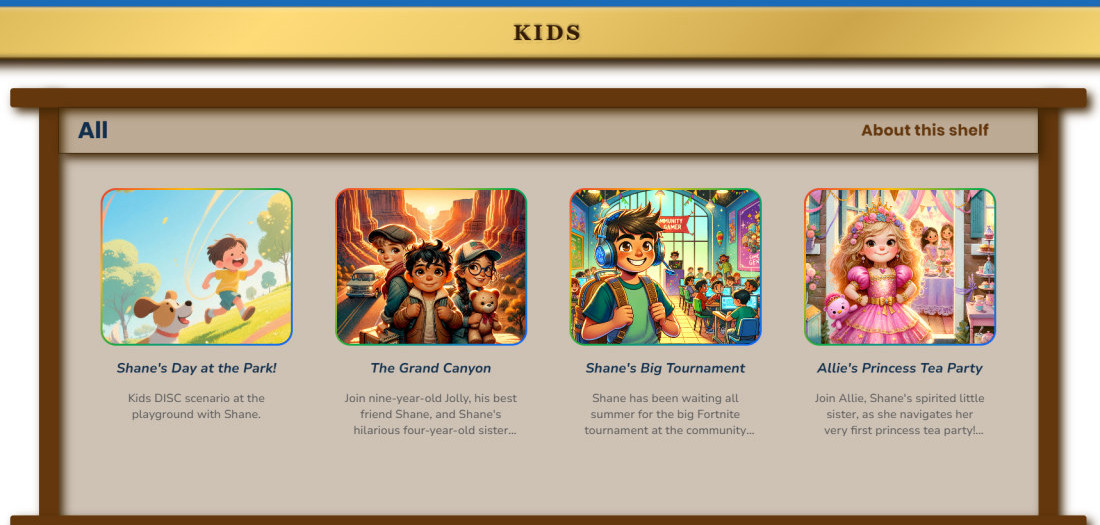
DISC assessments for kids: what they measure, the three formats you will find, what age fits, and how to choose one your child will actually want to take.
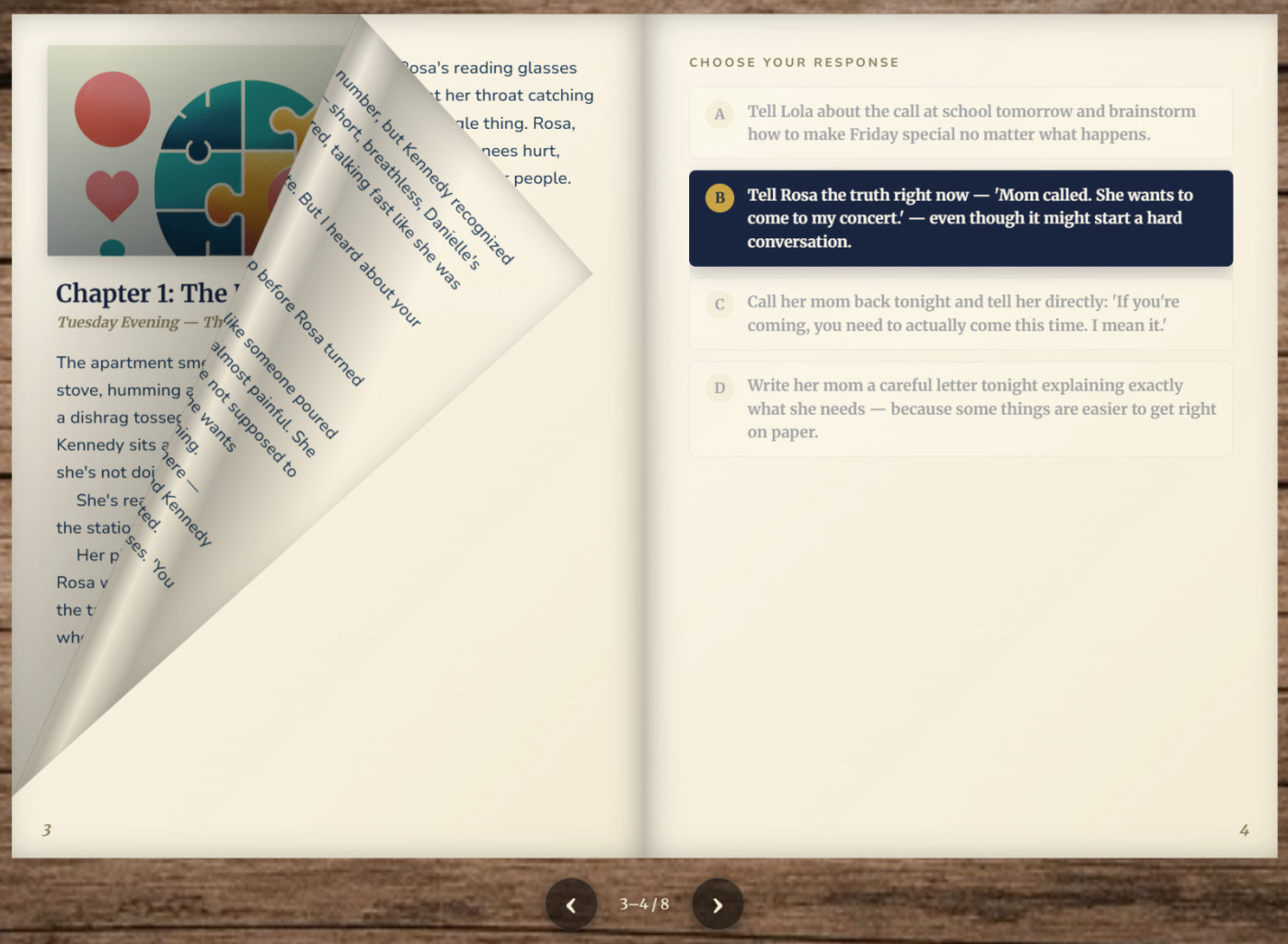
DISC assessment innovations explained: story-based formats, branching scenarios, gamified reading, kid-friendly results, family maps, and live dashboards.
Adult, kids, and beginner collections of story-based DISC assessments in one place. The only library in the world where your personality assessment is a story you read, not a quiz you fill out.
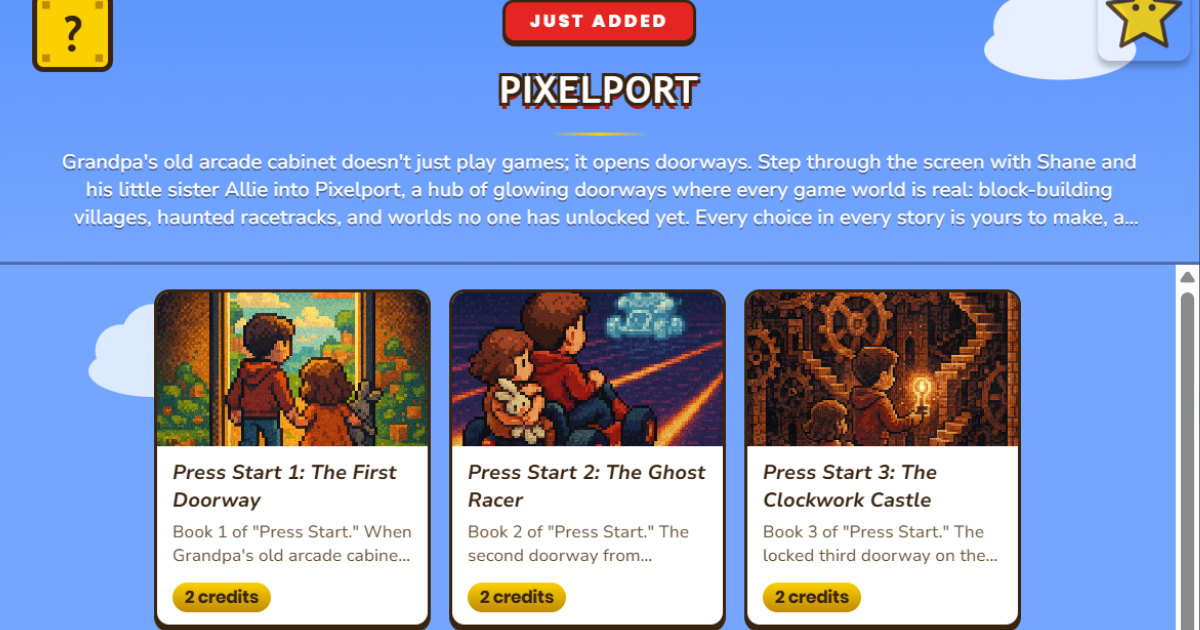
Meet Press Start, a new story-based assessment series set in Pixelport. The books unlock in order as your child reads, so finishing one adventure opens the next. Built for reluctant readers.
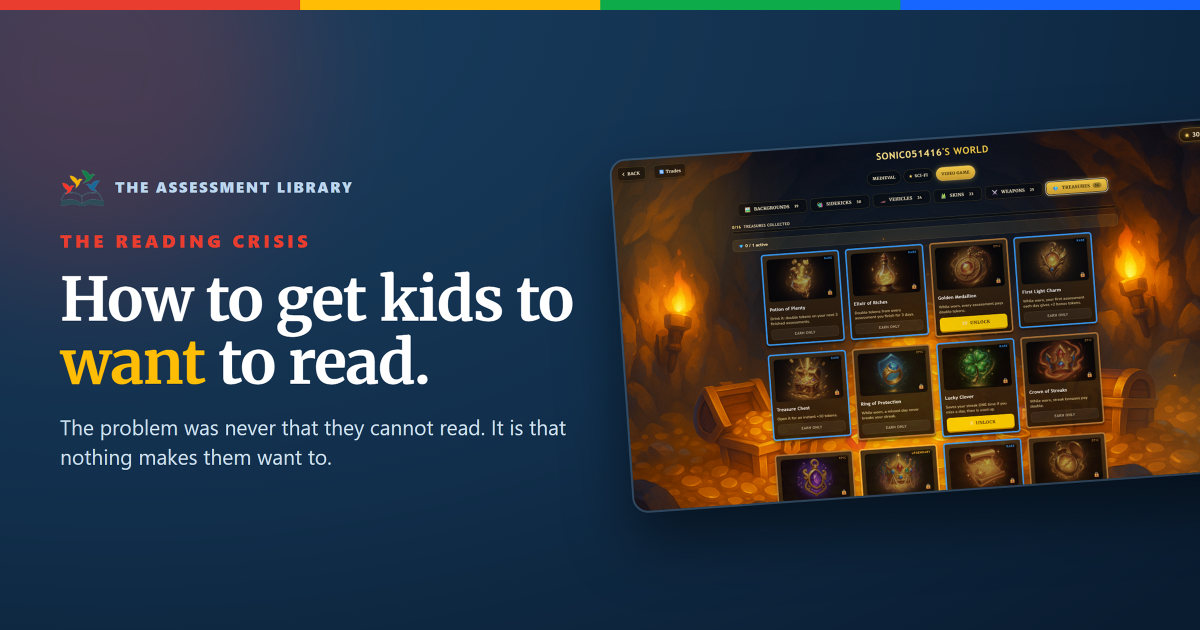
U.S. reading levels are falling, but the real crisis is motivation. Here is how story-based reading gets kids to want to read by making reading how they earn, collect, and build a world.
The five CASEL SEL competencies explained the practical way, how self-awareness, self-management, social awareness, relationship skills, and decision-making actually look on four different kinds of kids.
How to teach social awareness and empathy to kids, why 'read the room' means four different things to four different children, and 5 ways to grow every kind of reader.
Self-regulation strategies that actually fit the kid, why the calm-down corner works for some students and fails others, and how to match the tool to the child's wiring.
How to teach self-awareness to kids, the first SEL competency and the one every other skill is built on. 6 classroom-tested ways to give students real language for how they're wired.
How to teach perfectionist students without the meltdowns over mistakes, 7 teacher-tested strategies that turn a high-C ‘Owl’ child's precision into confidence.
How to teach quiet, shy students without forcing them into the spotlight, 7 teacher-tested strategies that let a high-S ‘Dove’ child open up at their own pace.
How to teach talkative students without shutting them down, 7 teacher-tested strategies that turn a high-I ‘Parrot’ child's energy and chatter into your classroom's best asset.
How to teach strong-willed students without the daily power struggle, 7 teacher-tested strategies that work with a high-D ‘Eagle’ child's nature, not against it.
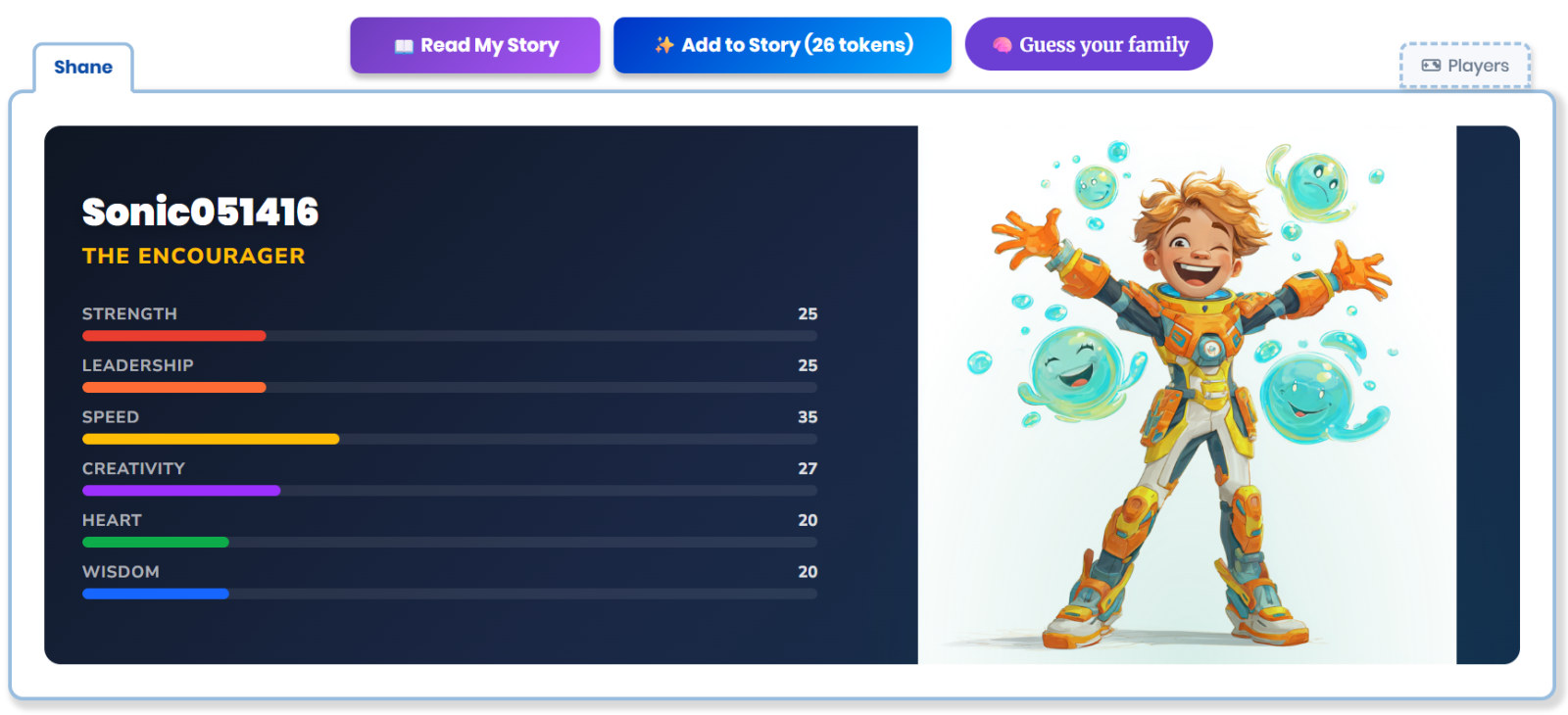
DISC for kids explained simply: what the four personality types (D, I, S, C) mean, why they matter for your child, and how a story reveals them better than a quiz.
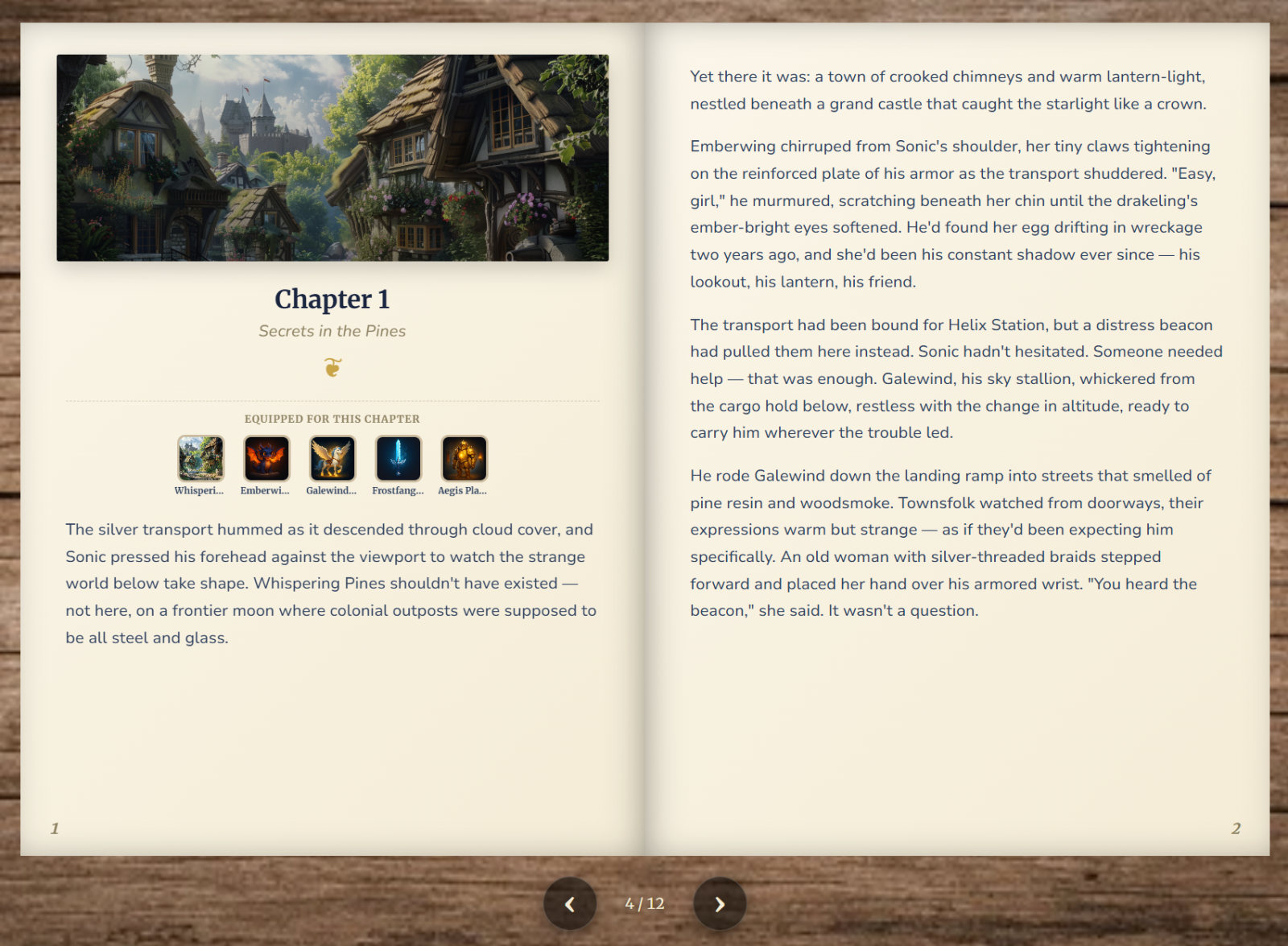
Childhood reading comprehension is at a record low. Here's how letting kids create their own story, plus daily treasure hunts, turns reluctant readers into eager ones.
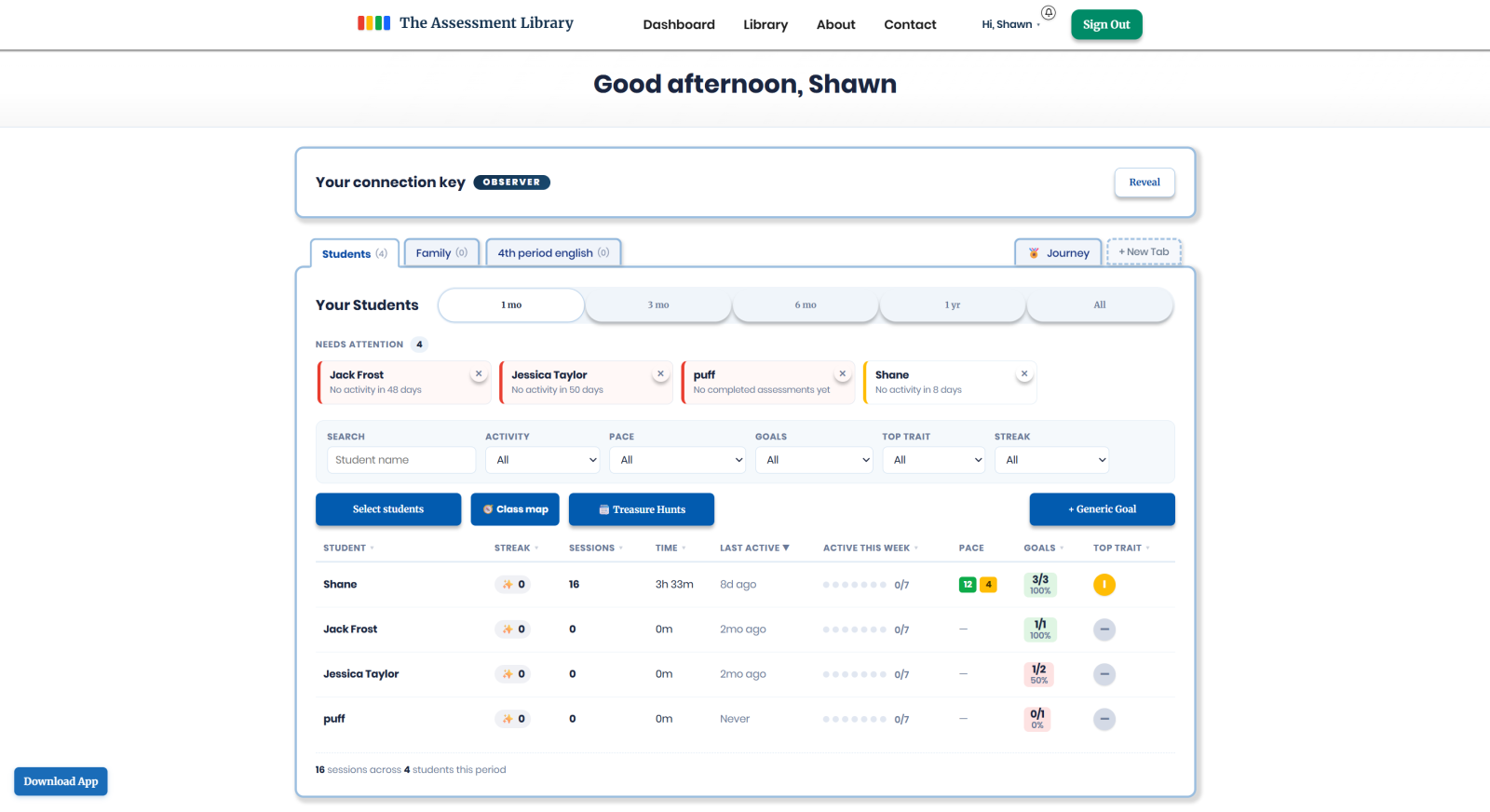
See your whole class on one screen, each student's DISC personality, engagement, and goals, plus a class map and instant team builder. No grading required.
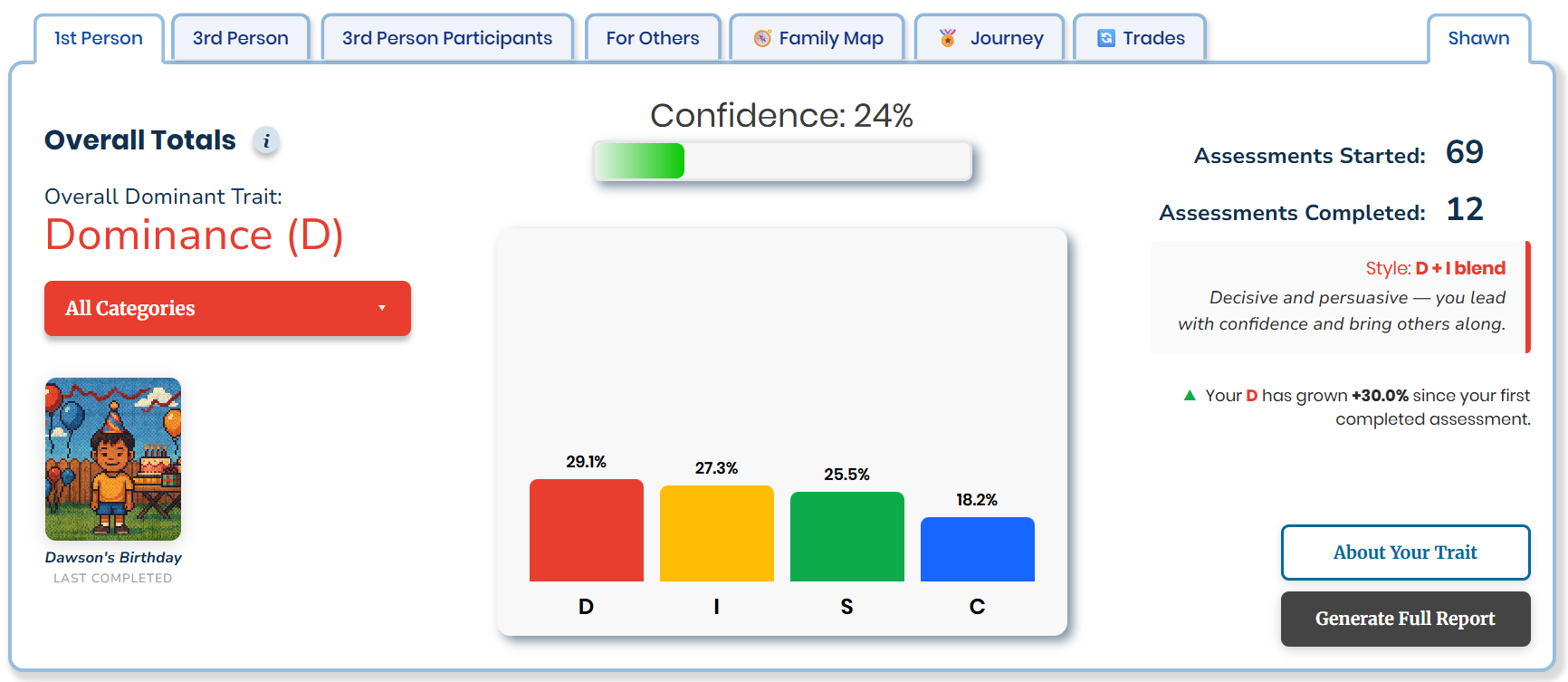
A clear guide to the four DISC personality types (Dominance, Influence, Steadiness, and Conscientiousness): what each style means, its strengths, and how the types work together.
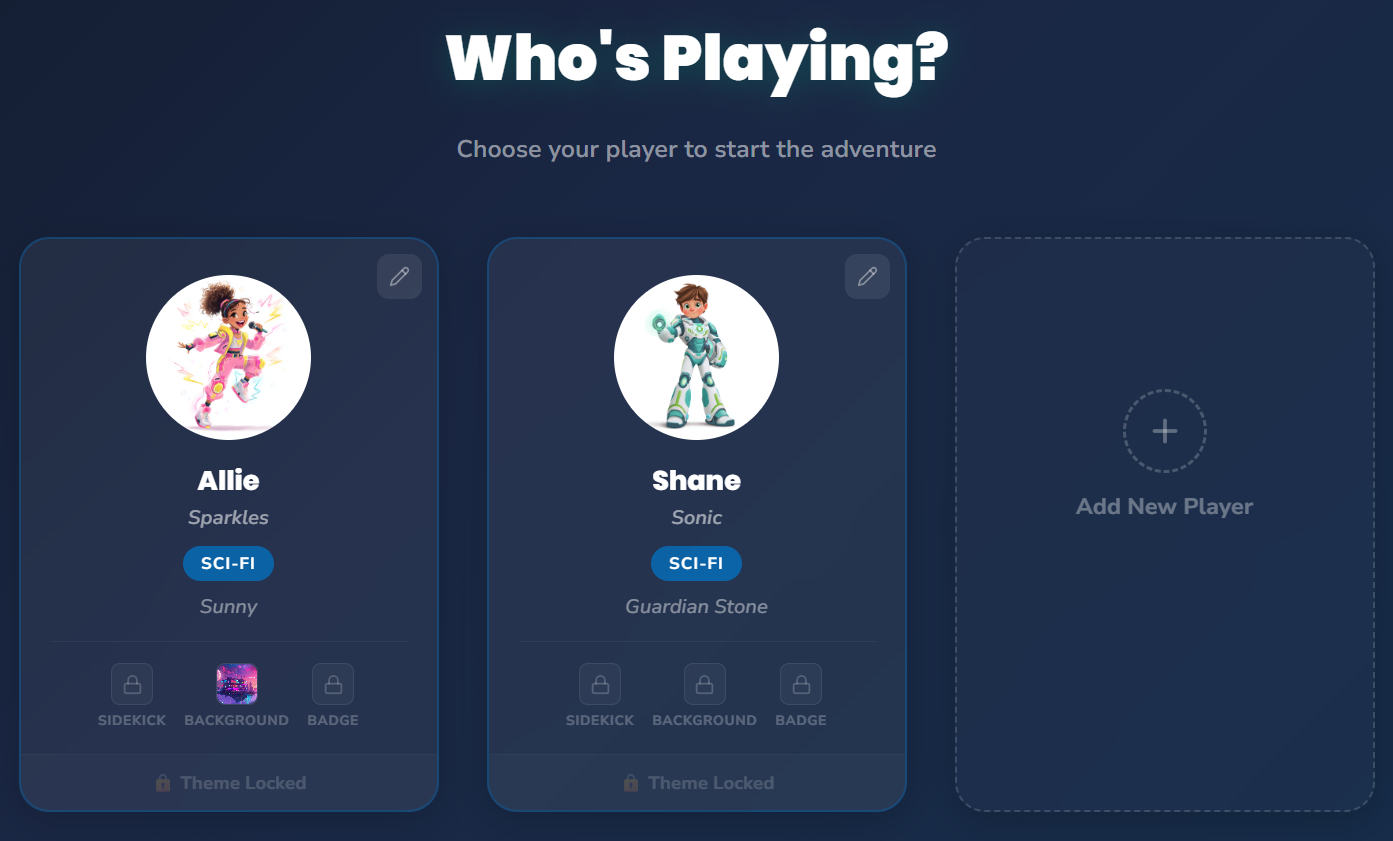
Wondering about your child’s personality type? Here are the everyday signs of each DISC style in kids, D, I, S, and C, and how to support each one at home.
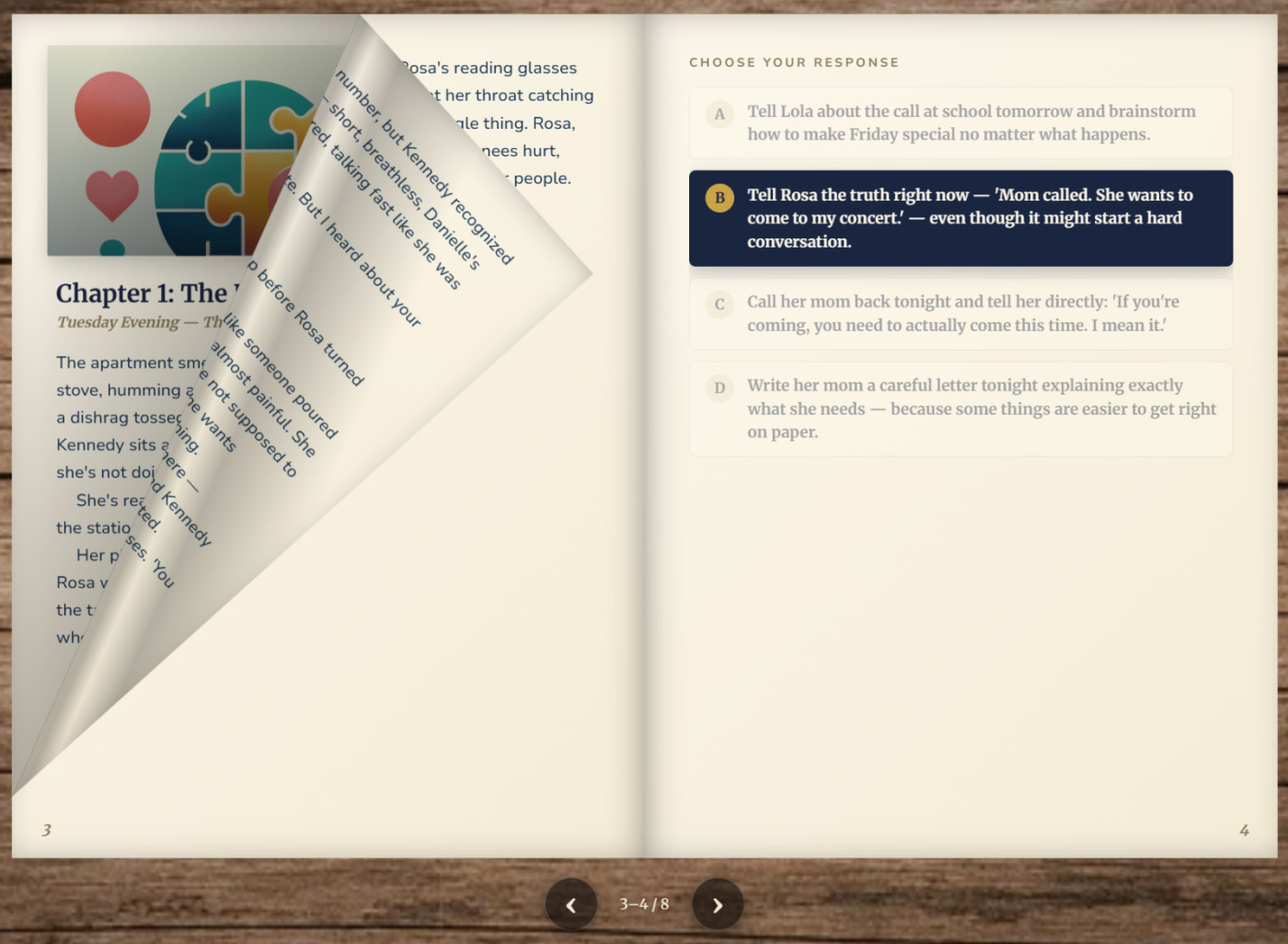
Traditional personality tests ask you to rate yourself. Story-based assessments watch what you choose. Here’s why scenario-driven DISC assessments are more accurate, and more fun.
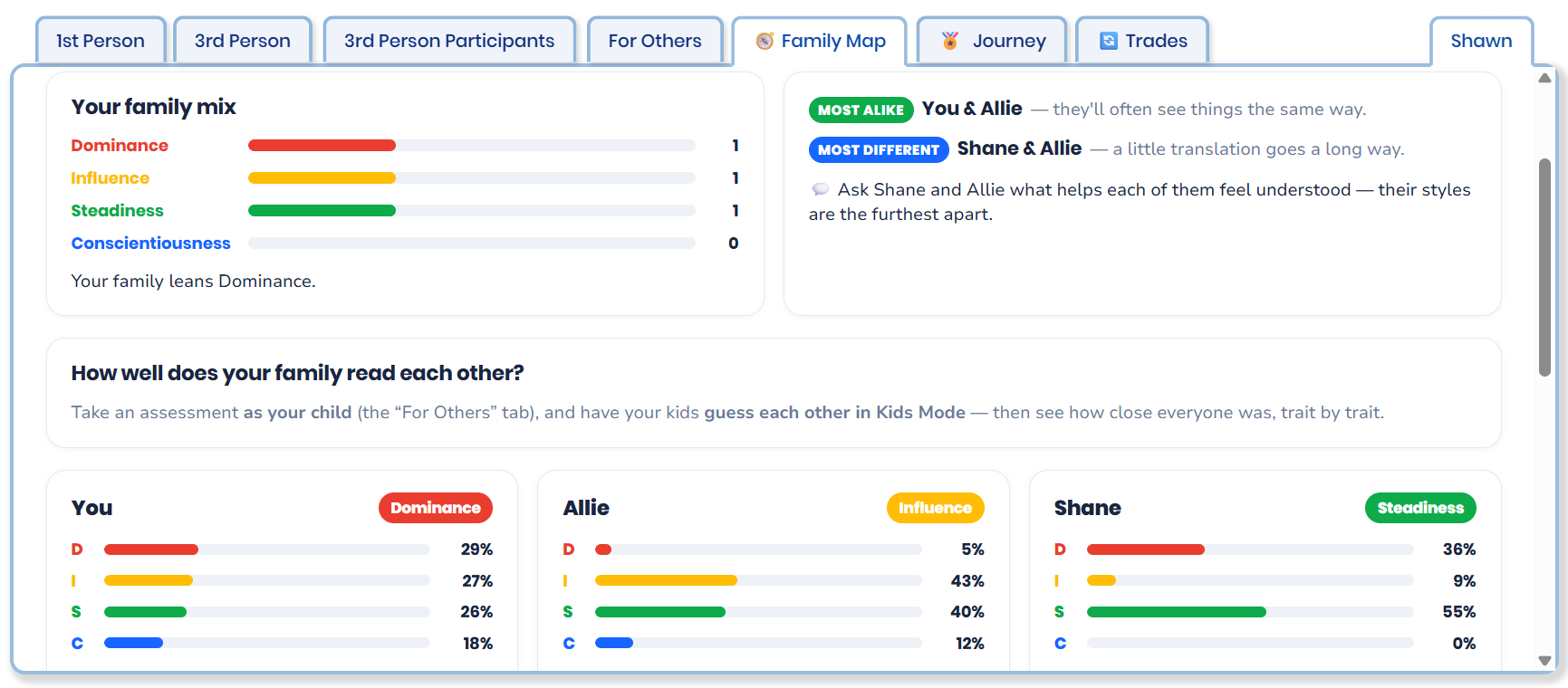
Every family is a mix of personalities. Here’s how understanding each person’s DISC style, and the Family Map, helps you connect, reduce friction, and appreciate your differences.